
Hippocrates of Kos (c. 460 – c. 370 BCE) is often referred to as the “Father of Medicine”, a title that reflects his profound influence on the field of Western medicine. A Greek physician born during Greece’s Classical Period,
Hippocrates revolutionized how illnesses were understood and treated.
Rather than attributing disease to the wrath of the gods or supernatural
causes—as was common at the time—Hippocrates advocated for a rational, naturalistic approach to health and healing.
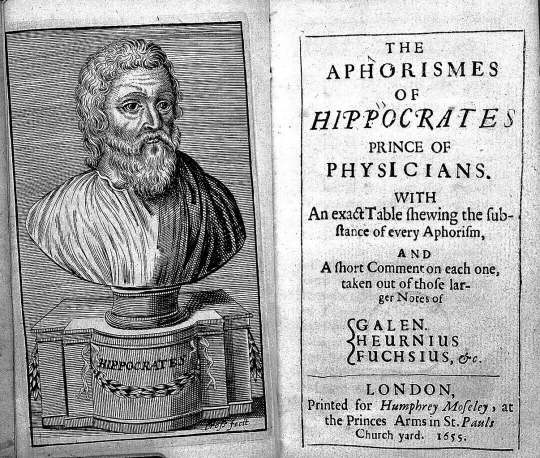
Today, his name lives on in the Hippocratic Oath, a code of ethics still sworn by many physicians around the world. But Hippocrates’ contributions go far beyond that famous oath. This article explores the history of Hippocrates, his major accomplishments, and his lasting impact on modern medicine.
Early Life and Background Hippocrates was born on the Greek island of Kos, into a family of physicians known as the Asclepiads, who claimed descent from Asclepius, the Greek god of healing. He received medical training from his father and other mentors and traveled extensively through Greece and Egypt, gaining experience and knowledge from a variety of medical traditions.
Although much of what we know about Hippocrates is blended with legend and later writings, historical records and medical texts suggest he was a highly respected practitioner and teacher.
Before Hippocrates, Greek medicine was largely dominated by superstition and religious practices. Diseases were believed to be punishments from the gods, and healing often involved ritual purification, offerings, and prayers.
He encouraged physicians to carefully observe symptoms, maintain detailed medical records, and use logic and reasoning to identify causes and treatments.
One of Hippocrates’ most significant legacies is the Hippocratic Corpus, a collection of around 60 medical texts written in lonic Greek. While not all were authored by Hippocrates himself-many were likely compiled by his followers-they collectively represent the foundation of Hippocratic medicine.
These texts introduced the concept of clinical medicine, where careful documentation and observation guide diagnosis and treatment.
The Theory of the Four Humors

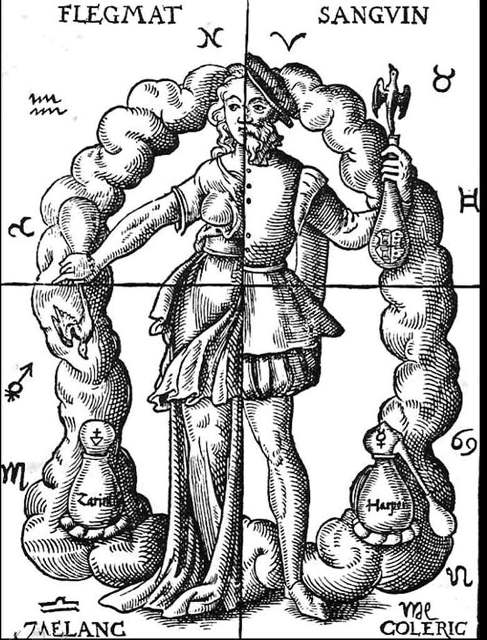
Hippocrates famously proposed the Theory of the Four Humors, which remained influential in medical thought for over 1,000 years. According to this theory, the human body is composed of four key fluids:
Health was believed to depend on the balance of these humors, and illness was the result of imbalance. While modern science has moved beyond this model, it was a groundbreaking step toward understanding physiological processes rather than relying on mysticism.
One of the most enduring aspects of Hippocrates’ legacy is the Hippocrati c Oath, a pledge of medical ethics taken by physicians. Although the original version differs from modern adaptations, its core principles remain intact:
This oath laid the groundwork for modern medical ethics, and its principles are echoed in contemporary codes of conduct worldwide.

Here’s a summary of the most notable accomplishments of Hippocrates in medicine:
Hippocrates revolutionized medical thinking by shifting focus from divine punishment to natural causes of disease
He encouraged physicians to document symptoms and observe disease progression over time, introducing empirical methods still used in clinical practice.
The Hippocratic Oath introduced the first formal code of medical ethics, a cornerstone of modern healthcare.
Hippocrates believed in treating the whole patient, not just the disease—considering diet, environment, and lifestyle.
Rather than only focusing on cures, Hippocrates emphasized prognosis and preventative care, an idea still fundamental to medicine today.
Even though Hippocratic medicine lacks modern tools like germ theory, antibiotics, and surgical technology, its foundational ideas continue to resonate:
Additionally, many medical schools still reference Hippocrates in their curricula, highlighting the lasting relevance of his philosophy and methods.
While Hippocrates is often credited with many “firsts” in medicine, it’s important to distinguish between historical facts and later attributions. For example:
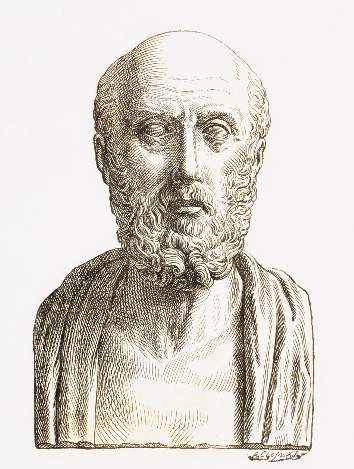
The legacy of Hippocrates is far-reaching. His name is synonymous with integrity in medicine. Hospitals, medical schools, and organizations worldwide still bear his name. His emphasis on clinical practice, patient-centered care, and ethical responsibility continues to shape modern medicine.
From ancient temples of healing to today’s high-tech hospitals, the spirit of Hippocratic medicine lives on—reminding us that care, compassion, and reason should always be at the heart of healthcare.
Hippocrates’ contributions to medicine were revolutionary for his time and remain profoundly influential today. By advocating for natural explanations of illness, developing systematic methods of observation, and emphasizing ethical standards, Hippocrates laid the foundation for modern medical science.
Understanding the history of Hippocrates is essential for anyone interested in the roots of healthcare, the development of medical practice, or the enduring values that guide physicians around the world. His life and work serve as a timeless reminder that medicine is not just a science—it is a calling grounded in empathy, observation, and ethical responsibility.
https://pmc.ncbi.nlm.nih.gov/articles/PMC3704070/ (Charles Darwin and Hippocrates)
https://www.cureus.com/articles/291051-hippocrates-of-kos-460-377-bc-the-founder-and-pioneer-of-clinical-medicine#!/ (Hippocrates of Kos)
https://jamanetwork.com/journals/jama/article-abstract/349920#google_vignette
Hippocrates of Kos, often hailed as the “Father of Medicine,” transformed the understanding of health by advocating for rational, naturalistic explanations for disease, moving away from superstition. His legacy includes the Hippocratic Oath, the foundational principles of medical ethics, and the systematic observation methods that shaped clinical practice for centuries. This book delves into Hippocrates’ life, his revolutionary contributions, and the enduring impact of his philosophy on modern medicine.